
Articles & analysis
Researched practical articles on suppliers, product safety, packaging, logistics, customs and costs when importing from China.

U.S. Opens Dual Trade-Remedy Probe into Chinese Linear Hydraulic Cylinders
The U.S. Department of Commerce opened antidumping investigations on September 9, 2026, covering linear hydraulic cylinders from five countries. A parallel countervailing-duty investigation covers China, India and Mexico. Importers should now verify product scope, origin and procedure status without treating alleged margins as final duties.
All stories

U.S. Sets Preliminary 66.61% Countervailing Duty on Chinese Tin Mill Products
On September 10, 2026, the U.S. Department of Commerce announced a preliminary 66.61% countervailing duty on Chinese tin mill products. The determination is not final, but it can already affect U.S. shipment costing, contract terms, and supporting records.

China and the U.S. Negotiate Tariff Cuts Covering $30 Billion Each, but No Product List Yet
China and the United States are negotiating a framework for reciprocal tariff cuts covering goods worth $30 billion on each side, according to China’s Ministry of Commerce. As of September 10, 2026, no product list, tariff rate, or confirmed implementation date has been published.

EU Reviews Its Procurement Instrument After the China Medical-Device Case
On 10 September 2026, the European Commission launched the first review of the International Procurement Instrument. The consultation does not create a general new import rule for private importers, but suppliers of Chinese medical devices should maintain reliable origin, operator-structure and Chinese-content records for EU public tenders.

EU Court Partly Annuls the Sinopec PVA Duty Calculation
On 3 September 2026, the Court of Justice of the European Union partly annulled the earlier judgment in case C-319/24 P concerning Chinese PVA anti-dumping duties. The annulment covers only a downward adjustment of the export price under Article 2(10)(i); the judgment does not set a new duty rate.

Maersk and Hapag-Lloyd Route AE19 and AE15 via the Suez Canal Again
On 9 September 2026, Maersk said that the AE19 and AE15 services would run via the Suez Canal instead of around the Cape of Good Hope. The announcement describes a targeted adjustment, not a general return of the east-west network.

Brazil Imposes Provisional Anti-Dumping Duties on Glass-Fibre Rovings from China
Brazil has imposed provisional anti-dumping duties on certain glass-fibre rovings originating in China and Egypt from 4 September 2026. The provisional rates for Chinese producers range from US$211.78 to US$456.44 per tonne.
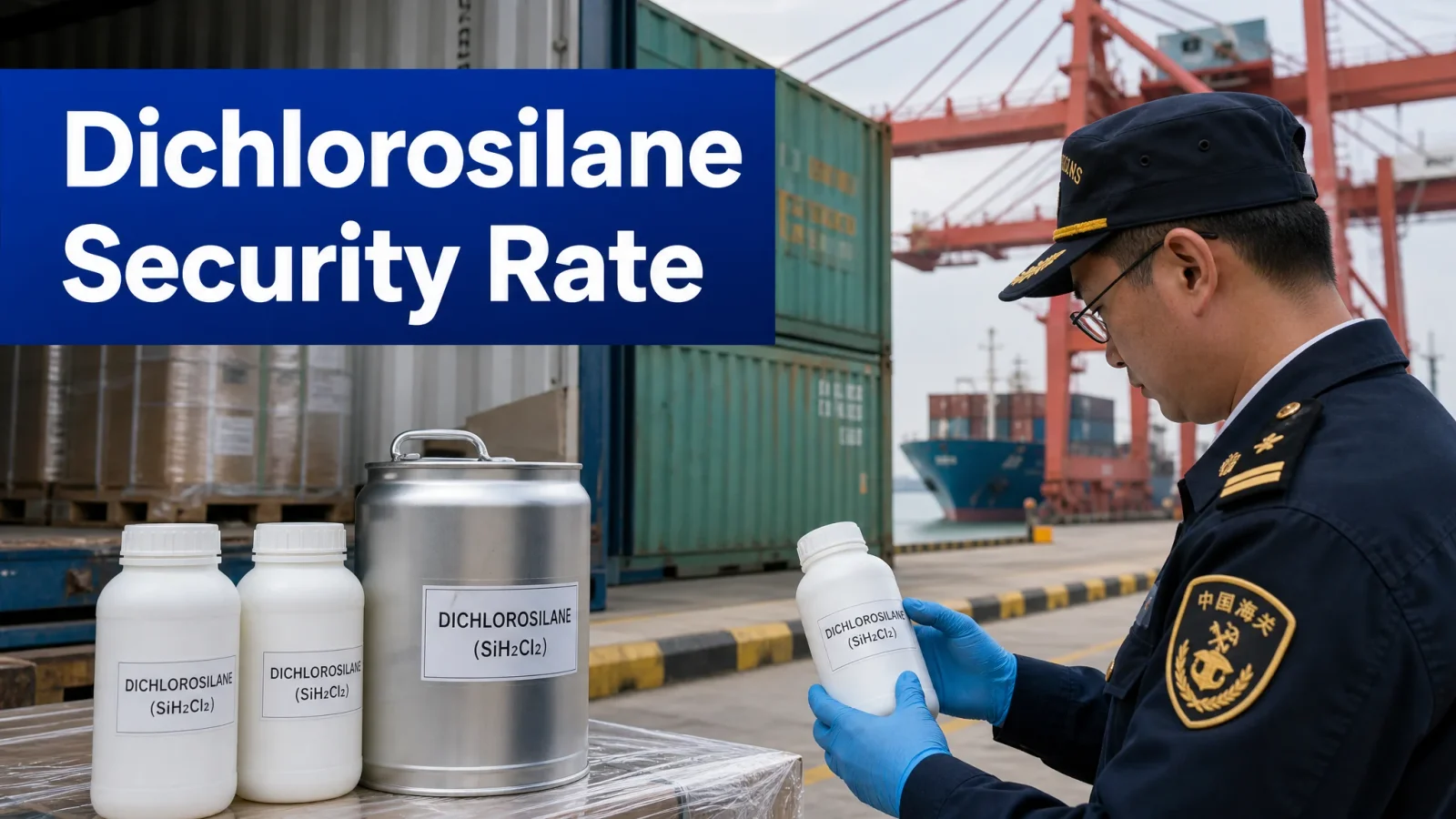
China Requires Up to 99.2% Security on Japanese Dichlorosilane
China will require provisional anti-dumping security on certain dichlorosilane imports originating in Japan from September 8, 2026. The rates range from 80.8% to 99.2%, and customs requires a specific commodity code.

EU Screens 1,700 Online Listings: 560 Orders over Missing Product-Safety Information
The European Commission and national authorities reviewed almost 1,700 listings on 35 online marketplaces between May and July 2026. Only 58% contained manufacturer information, an EU responsible person and product-identification data at the same time.
China’s Imports Have Outpaced Exports for Six Months: What the August Data Means for Sourcing
China’s customs authorities reported import growth of 21.7% and export growth of 18.6% for August 2026. The figures indicate strong trade momentum, but they do not prove lower purchase prices or shorter lead times at individual factories.

EU Opens Interim Review of Anti-Dumping Measures on Chinese Silicon
On 1 September 2026, the European Commission published an initiation notice for an interim review of anti-dumping measures on certain silicon originating in China. The initiation does not automatically change the applicable duty, but it increases the risk of later changes to duties and import calculations.

CRA Reporting Starts on 11 September: What China Importers Need from Digital-Product Manufacturers
ENISA updated its FAQ for the CRA Single Reporting Platform on 4 September 2026. The platform is scheduled to begin mandatory reporting on 11 September 2026 for actively exploited vulnerabilities and serious security incidents.
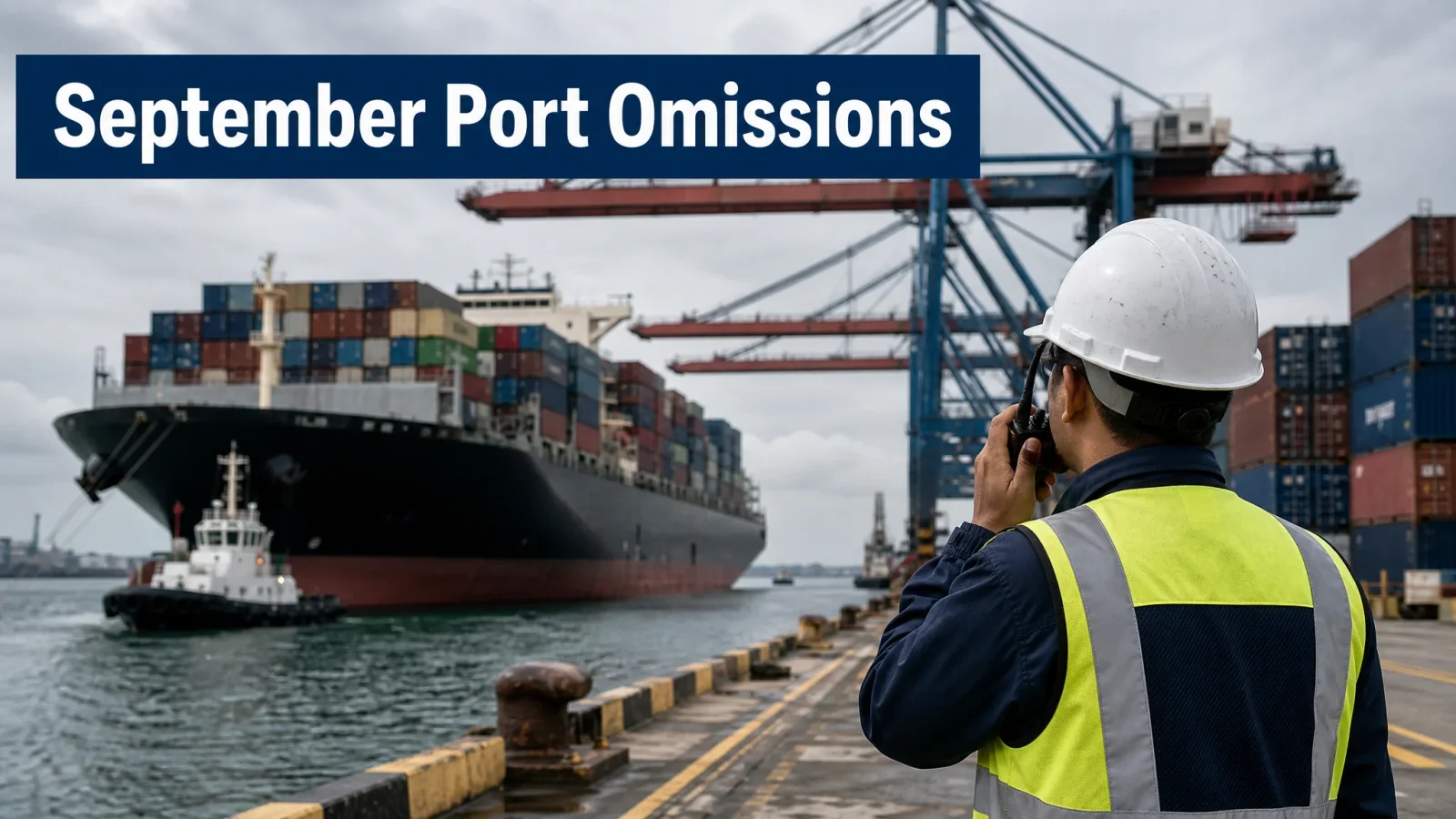
Typhoons Force China Port Omissions: Three September Sailings Drop Shanghai or Ningbo
Maersk reports flooding, port congestion and vessel delays after several typhoons in East Asia. Three September sailings will omit Shanghai, Ningbo or Kaohsiung.

France’s Ultra-Fast-Fashion Law: China Warns as Sellers Must Disclose Manufacturing Locations
China’s Ministry of Commerce urged France on 4 September 2026 to suspend implementation of its ultra-fast-fashion law. Regardless of the political warning, the French law already contains information, EPR and advertising requirements that can affect China-related textile offers.
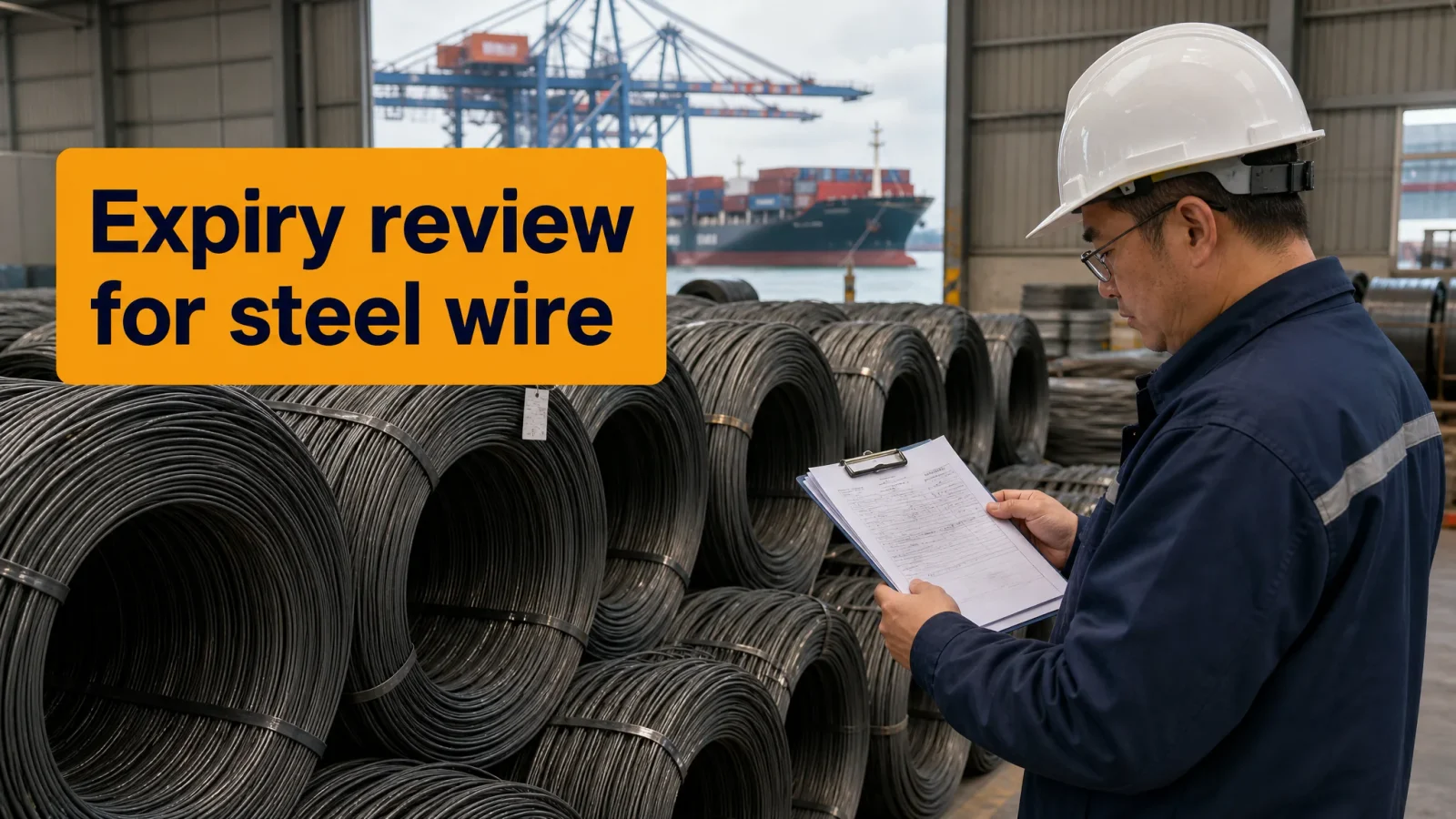
EU Launches Third Anti-Dumping Expiry Review for Chinese Prestressing Wire
On 1 September 2026, the European Commission opened a third anti-dumping expiry review covering certain pre- and post-stressing wires and wire strands of non-alloy steel originating in China. The opening of the review is not a new final customs decision and does not, by itself, establish a specific duty rate.

China’s SME Plan Sets New Digital Targets: What Buyers Should Verify with Specialist Suppliers
Ten Chinese ministries approved an SME development plan on September 1, 2026, and China’s Ministry of Industry and Information Technology published it on September 3. The plan does not certify individual factories, but it gives importers a practical framework for checking R&D, quality, digital systems and export readiness.

Panama Canal Cuts Transit Capacity: What Nine Neopanamax Slots Mean for China–U.S. Shipments
Since September 3, 2026, the Panama Canal has provided nine daily transit slots at the Neopanamax locks. The China–U.S. route is not generally closed, but unconfirmed sailings face greater schedule and availability risk.
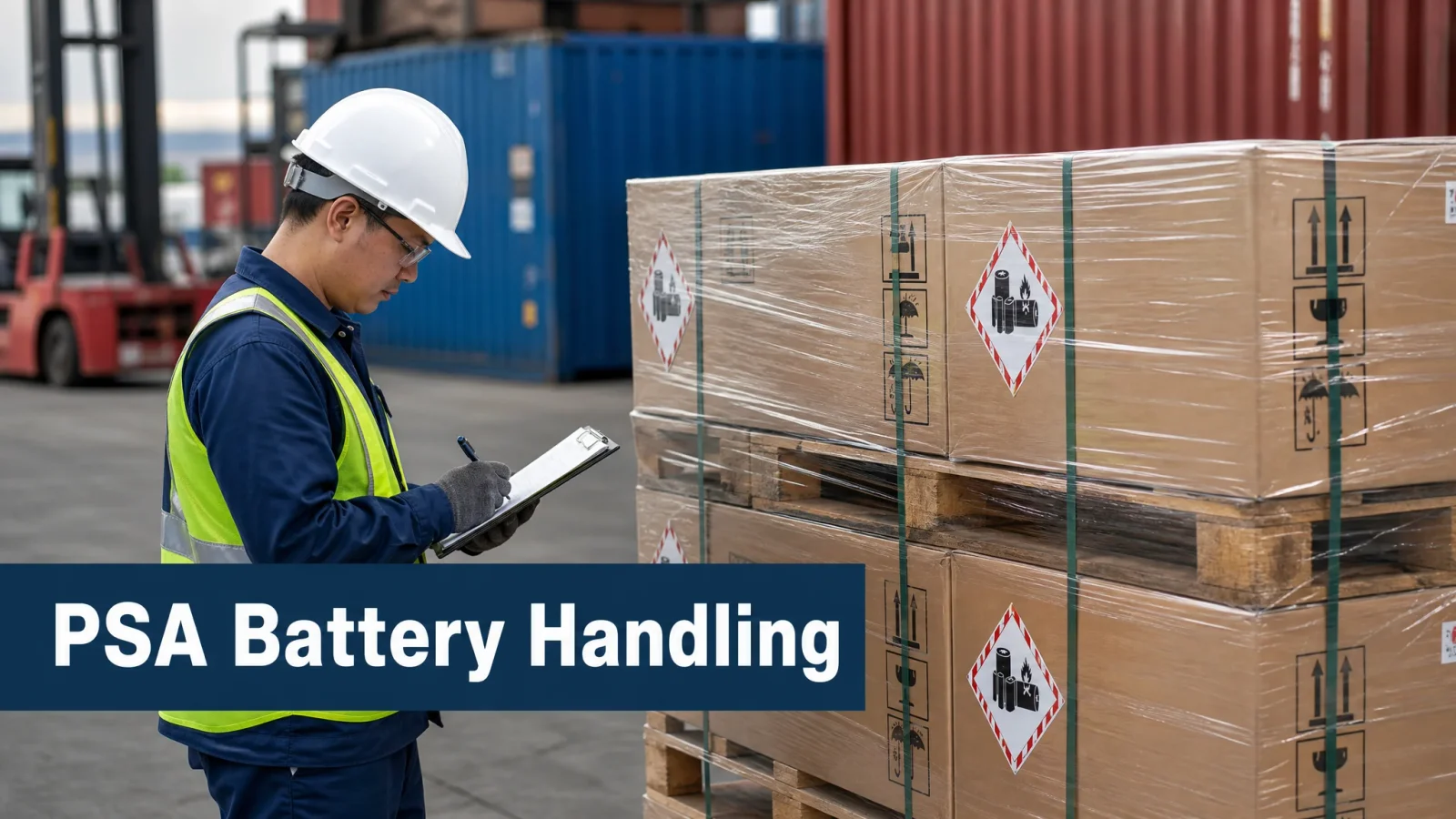
Singapore Tightens Battery Handling: Eleven UN Numbers Move to PSA Group 2
The Singapore Port Authority has changed the PSA classification for eleven battery and battery-related dangerous-goods shipments. Importers may face additional requirements for handling, segregation, monitoring and transshipment charges in Singapore.
China PMI 2026: Why the official and private indexes diverge
Two PMI surveys can both be valid. The question is which supplier and export segments your sourcing base resembles.
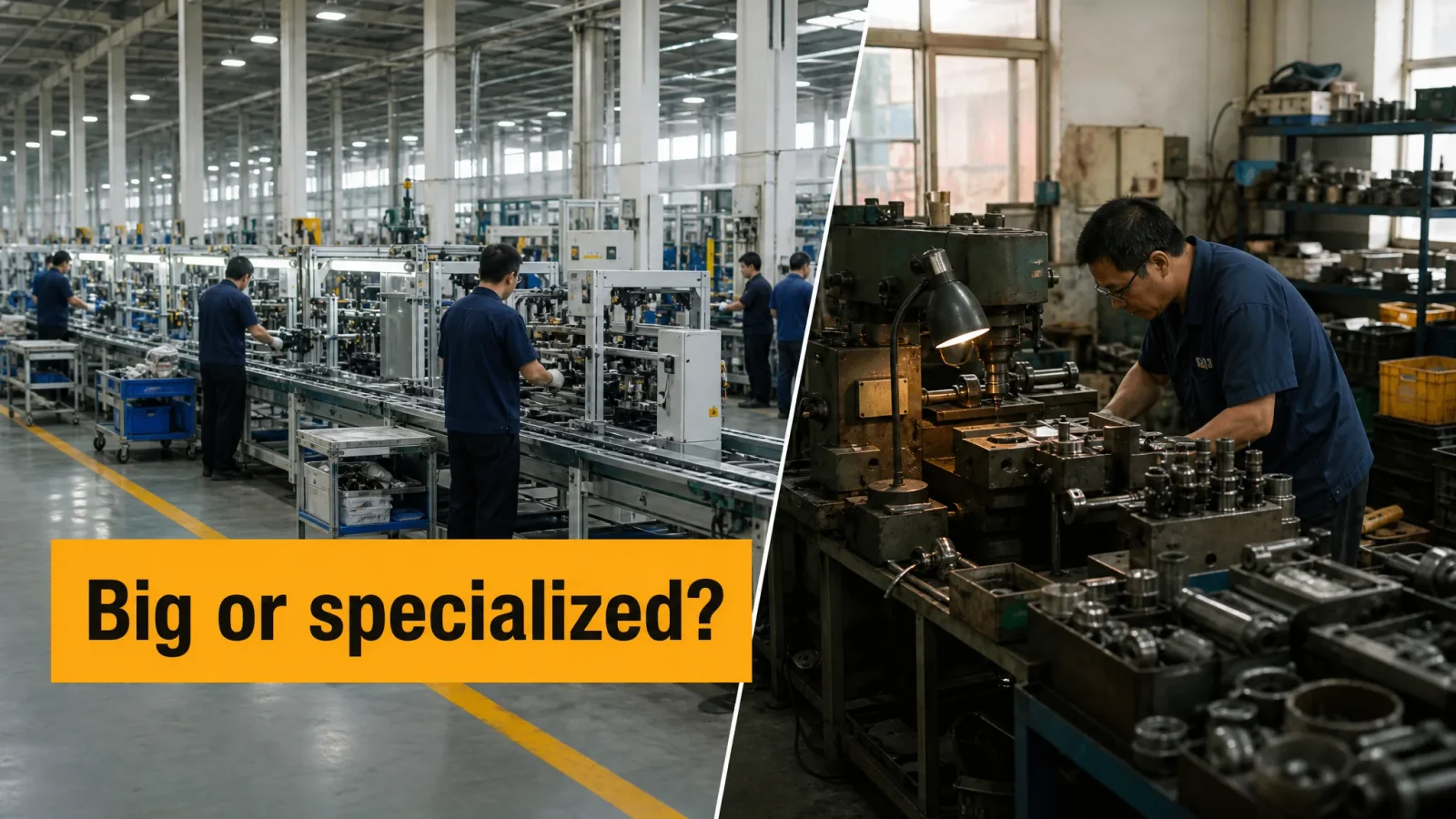
Large factory or small specialist? What August PMI data says about suppliers
The size split is not a supplier score, but it is a useful frame for capacity, MOQ and payment questions in China sourcing.

China’s PMI at 49.8: What the August data means for lead times
A PMI below 50 does not describe one factory. It helps importers ask better capacity questions without confusing sentiment with a promise.

EU Steel Regulation: “Melt and pour” evidence from 1 October
The new evidence logic belongs in procurement, customs files and supplier contracts. Without heat traceability, quota and delay risk rises.

33 Safety Gate alerts in one week: How importers should tighten inspections
Alerts are not a verdict on every China product, but they are a strong signal for risk-based sampling and follow-up checks.

German import prices up 6.8%: What this means for China sourcing in 2026
The German average is not your supplier quote. It does show why intermediate goods, metals and electronics need a fresh cost review.
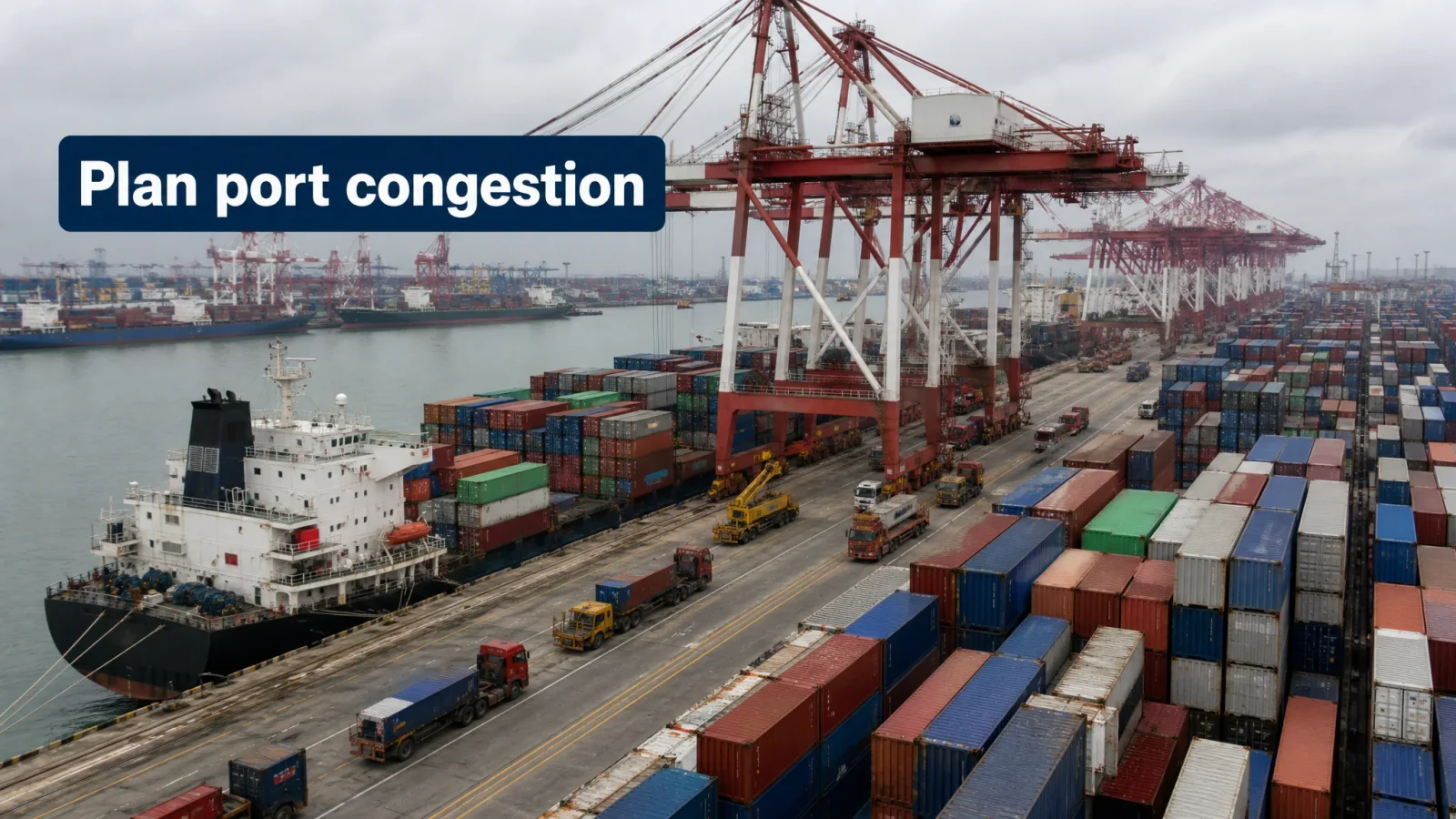
96-hour Shanghai waits: Planning port congestion and blank sailings
A cheap ocean rate is no help when a container waits four days outside the terminal. Plan buffers, alternates and escalation triggers.

China–Europe ocean freight in late August 2026: What the $4,473 index signals
A weekly index is not your freight quote. It is useful for testing carrier offers, surcharges and budget assumptions.

EUCDM 7.0.11: Which customs data is changing for China imports
The updated EU Customs Data Model is not only an IT task. It exposes which import fields and ownership rules must be reliable.
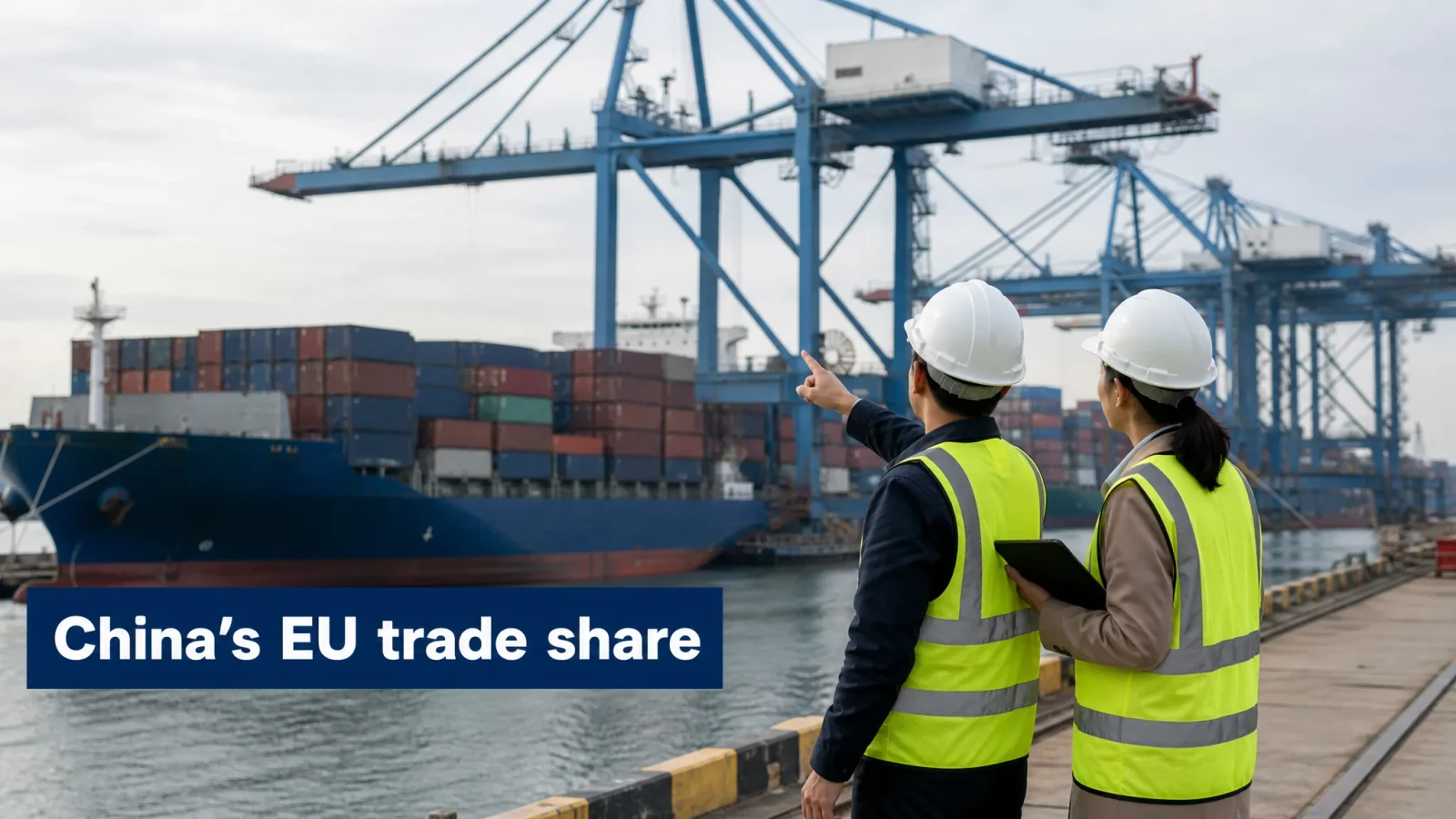
EU–China trade in 2026: China supplies 21.9% of EU imports
The trade figure shows scale and dependence, not a good supplier by itself. Segment risk by product and origin.

Titanium dioxide from China: What the EU’s reopened anti-dumping review means
A reopened absorption review is not a new duty rate yet. It is a clear signal to secure contracts, prices and product codes.

CBAM verification and the 50-tonne threshold: What small importers must document
Small import volumes are not automatically effortless. Check the threshold, product group and evidence trail before volume grows.

Mid-Autumn Festival and Golden Week 2026: Production and shipping deadlines
The autumn holidays arrive close together. Plan sample approval, production, QC and booking backwards from the customer ETA.
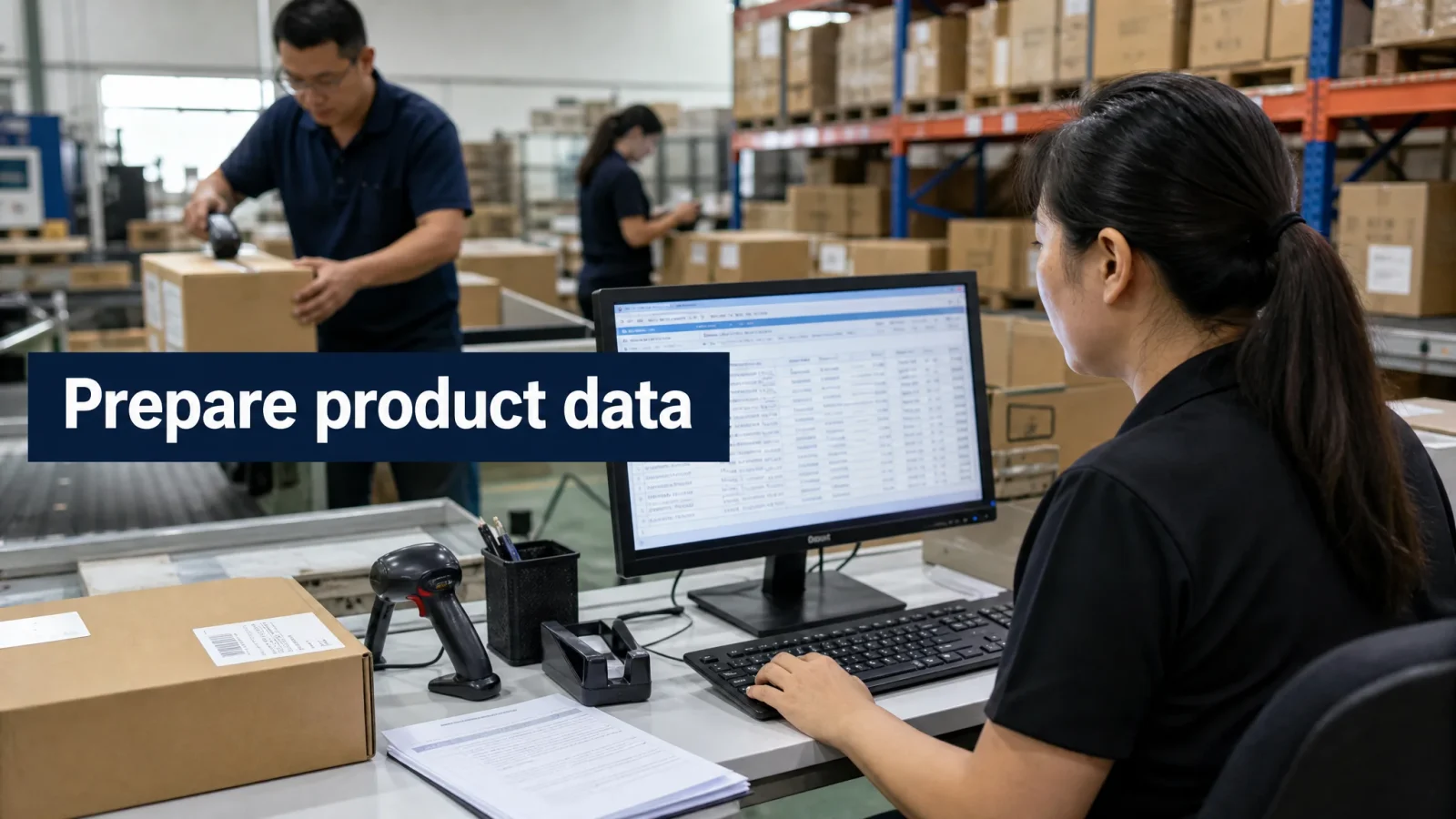
Product identifiers from 1 November 2026: What China sellers must prepare
Marketplaces, carriers and customs need consistent product data. Prepare identifiers before the new requirement slows dispatch.

€3 duty on low-value parcels: Is single-parcel shipping from China still viable?
The new charge changes direct-to-consumer economics. Model items, baskets, fulfilment and returns together instead of looking only at freight.

China’s high-tech manufacturing grows 16.9%: AI, electronics and robotics suppliers
Fast sector growth is not a quality certificate. Check process capability, IP, export paperwork and real capacity at high-tech suppliers.

PFAS, recyclability and reuse: Key PPWR risks for packaging from China
A recycling symbol is not proof of compliance. Check material, coatings and the intended use before approving a mass-production order.

CBAM 2026: Which emissions data Chinese suppliers must provide
CBAM is becoming a procurement data task. Structure plant data, production routes and evidence for the definitive period.

PPWR & EPR in EU cross-border sales: Who is responsible for China-sourced packaging?
A clear responsibility and data flow keeps EPR filings, packaging design and supplier information aligned across EU markets.

PPWR since 12 August 2026: What China importers must check in packaging
The EU Packaging and Packaging Waste Regulation is applying. Turn the new requirements into a supplier file and receiving inspection that can be defended.
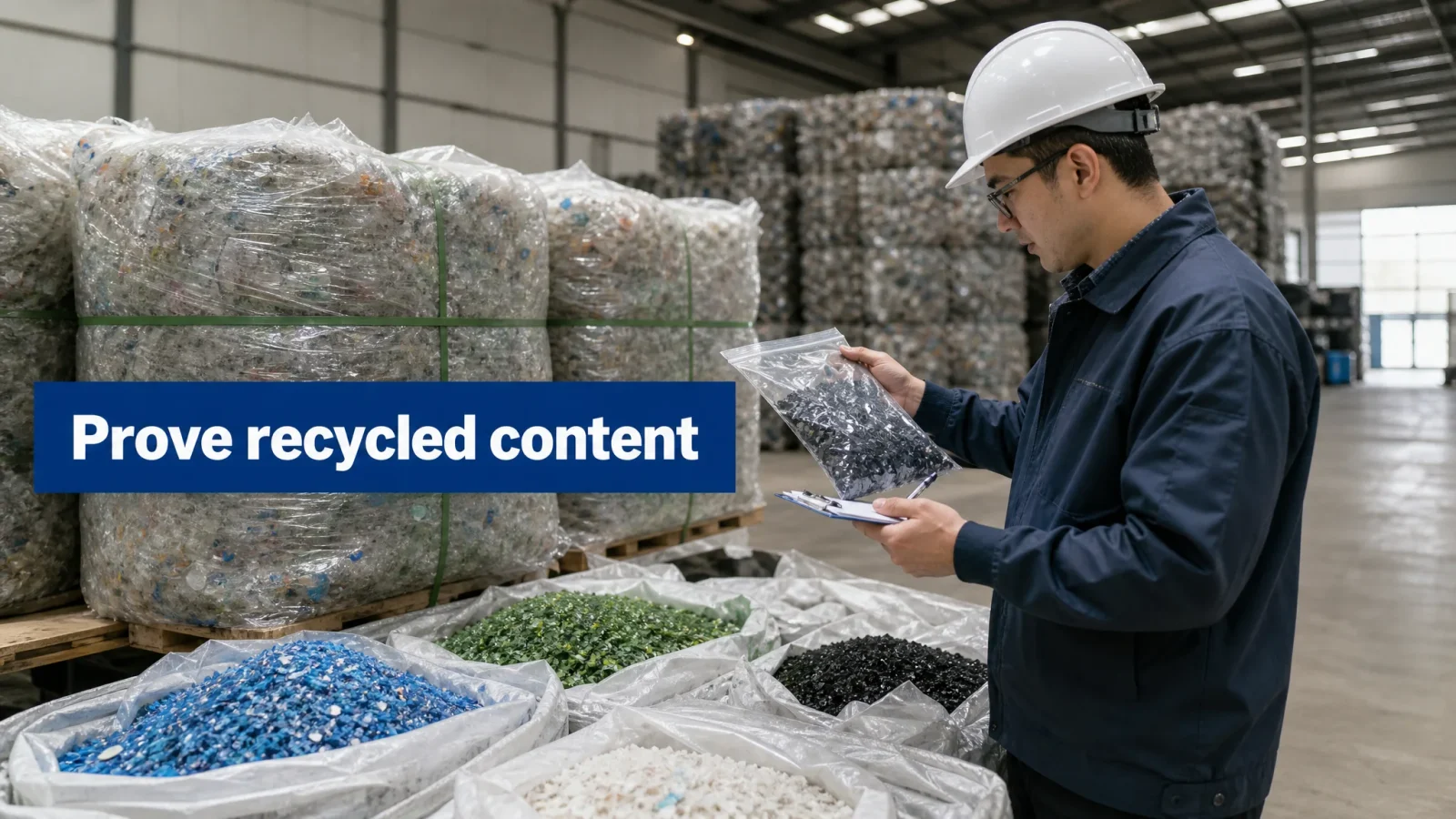
Verifying Recycled Content in Plastic Packaging Sourced from China
The EU PPWR requires verifiable proof for post-consumer recycled plastic content. Learn how to verify raw materials, chain of custody, and factory dosing in China.

PPWR Glossary for China Importers: Key EU Packaging Regulation Terms
This glossary outlines key terms under the EU Packaging and Packaging Waste Regulation (PPWR) for China importers, including chemical limits, recycled content targets, and documentation requirements.